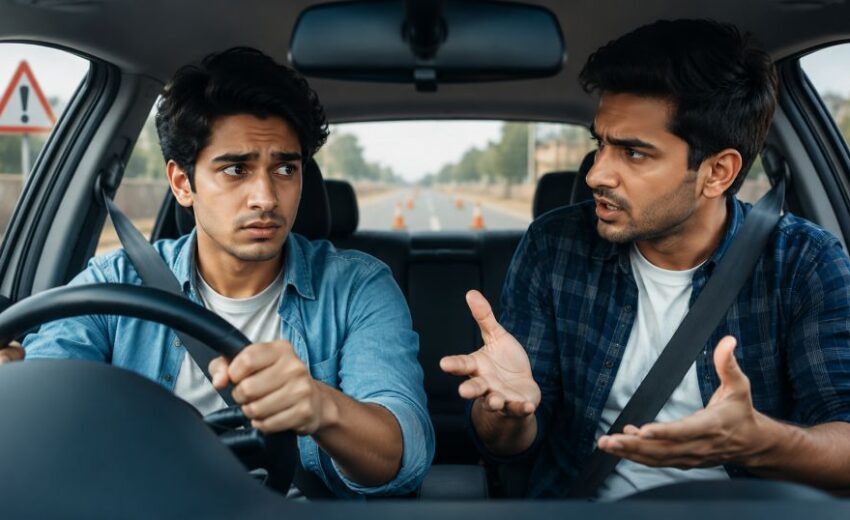
Learning to drive from that friend’s driving you admire? From the older sibling? Or a parent you always trust sounds like a practical idea. You already know them. You trust their driving. Their judgment. And they have faith in you. And it feels like a good way to save money before considering a professional driving school. The problem is that most people who have been driving for years are driving from habit. Not from technique. They know how to drive. But they don’t always know how to explain why they are doing something. And that difference matters more than most beginners realise!
At Edwins Art of Driving, we see many learners who can move a car comfortably. But have unknowingly picked up habits that make driving way more stressful, less safe and harder to improve later.
Experience and Training Are Not the Same Thing
Most experienced drivers have already developed their own way of handling the road. Some habits work well. Others simply became routine over time. The challenge? A beginner driver often copies everything. Without understanding which techniques are actually helping and which are creating problems! That is why learning to drive and learning to drive correctly are not always the same thing.
Bad Driving Habits Are Easy to Inherit
Many beginner driving mistakes come from habits that were copied early and never corrected.
Common examples include:
Poor mirror usage
Weak lane discipline
Riding the clutch unnecessarily
Braking later than required
The problem with bad driving habits is that they feel normal once repeated enough times. Correcting them later becomes much harder.
Why Learning from Family Can Feel More Stressful
Most friends and family members genuinely want to help you learn driving. But teaching driving is way different from driving. When mistakes happen repeatedly. Frustration builds. Instructions become unclear. Confidence drops. Instead of focusing on the road? The learner starts worrying about making another mistake. That pressure affects judgment far more than people realise.
The Situations Most Friends Never Teach
Many learners spend weeks practising only in comfortable environments. Wide roads. Light traffic. Familiar routes. But real driving involves much more. Heavy traffic. Highways. Parking between vehicles. Night driving. These are the moments that truly test your control and confidence.
Why Professional Training Makes a Difference
At Edwins Art of Driving, the goal is not simply to help someone drive. The goal is to build judgment.
That means:
Structured progression
Immediate correction of mistakes
Defensive driving training
Road safety awareness
Real-world driving exposure
Most importantly? Confidence is built through understanding. Because confidence does not come from driving more kilometres. It comes from knowing what to do when the road becomes unpredictable.
Why Proper Training Saves More Than Money
Learning from a friend may help you get the car moving. But professional training helps you avoid years of bad habits, unnecessary vehicle damage and avoidable mistakes. At Edwins Art of Driving, the focus is on helping you become a safe, independent and confident driver from the beginning.
Connect with Edwins Art of Driving and understand how structured training changes the way you experience the road.
FAQs
Is it better to learn driving from friends or a professional driving school? A professional driving school provides structured training, correct techniques and defensive driving skills that friends may not be able to teach.
What bad driving habits do beginners often learn from friends or family? Common bad driving habits include poor lane discipline, incorrect mirror usage, riding the clutch and improper braking techniques.
How does a professional driving school help build driving confidence? A professional driving school builds confidence through structured lessons, real-road exposure and guidance in challenging driving situations.