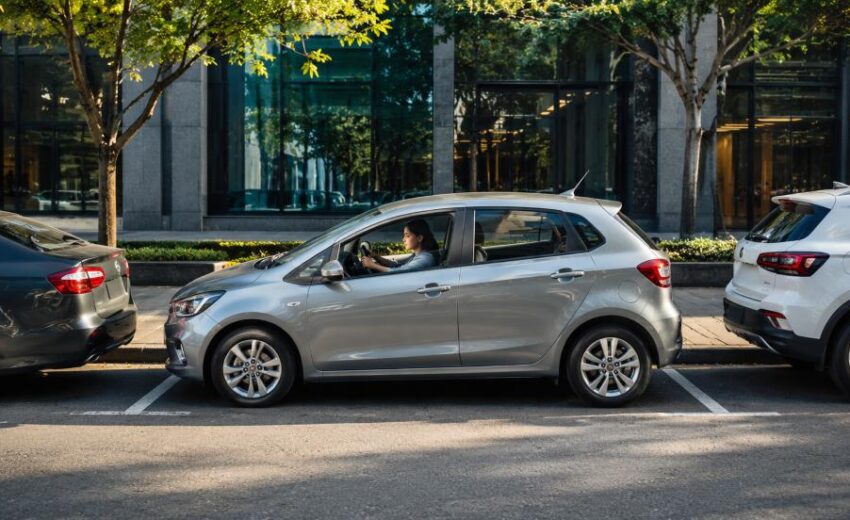
Parallel parking is one of the biggest signs of whether someone truly understands vehicle control. Because in tight spaces, guessing stops working. Parallel parking becomes stressful when your judgment is not clear. Most beginner drivers are not actually struggling with parking. They are struggling to understand where the car is positioned. How much space is available. And when to turn the steering. So every movement becomes guesswork. That is why people either turn too early, too late, or keep correcting repeatedly.
At Edwins Art of Driving, parallel parking is not taught as a memorised formula. The focus is not on shortcuts. It is taught through proper space judgement, tyre positioning and real-road awareness.
Why Parallel Parking Feels Difficult for Beginners
Most beginners struggle with parallel parking for the same reasons:
They don’t know exactly where their tyres are
Steering timing is inconsistent
Left-side judgement is unclear
They focus too much on the mirrors and lose orientation
Practice happens in empty spaces instead of real conditions That last point is important. Parking beside “nothing” is easy. Real parallel parking happens between two actual vehicles, with limited space and pressure around you. That is a completely different experience.
The Real Secret Behind Parallel Parking
Most people search for parallel parking steps hoping there is some shortcut formula. Turn one side. Reverse halfway. Full lock. Straighten. But real parking does not work like fixed mathematics every single time. Spacing changes. Vehicle size changes. Road angle changes. At Edwins Art of Driving, the focus is not on memorising steps. It is on understanding vehicle positioning properly. Once positioning becomes clear, parking stops feeling random.
Why Most Learners Stay Stressed While Parking
Many driving schools teach parking in isolation. No traffic. No nearby cars. No real pressure. So the learner technically “knows” how to parallel park… But freezes during actual situations. At Edwins Art of Driving, parking is trained in practical environments:
Between real vehicles
In narrow roads
With actual spacing judgment
Alongside defensive awareness
That is where confidence builds.
How Parallel Parking Eventually Becomes Easy
You stop overthinking every steering movement. You stop panicking when space feels tight. You stop depending on trial and error. The car starts feeling predictable. That is when parallel parking becomes smooth. Not because you memorised a trick. But because your judgment improved.
Why Proper Training Makes the Difference
At Edwins Art of Driving, parallel parking for beginners is not treated as a separate skill. It is connected to steering control, tyre awareness and real-road judgment. When these fundamentals are trained properly, parking becomes natural instead of stressful.
Connect with Edwins Art of Driving and understand how structured training helps you build real control, even in tight parking situations.
FAQs
Why is parallel parking difficult for beginners? Parallel parking feels difficult when steering judgement, tyre positioning and space awareness are not fully clear.
How can beginners improve parallel parking skills? Beginners improve parallel parking by practising real vehicle positioning, steering timing and controlled movement in tight spaces.
What is the best way to learn parallel parking without stress? Structured training with proper guidance, real-road practice and defensive driving techniques helps reduce stress while parallel parking.