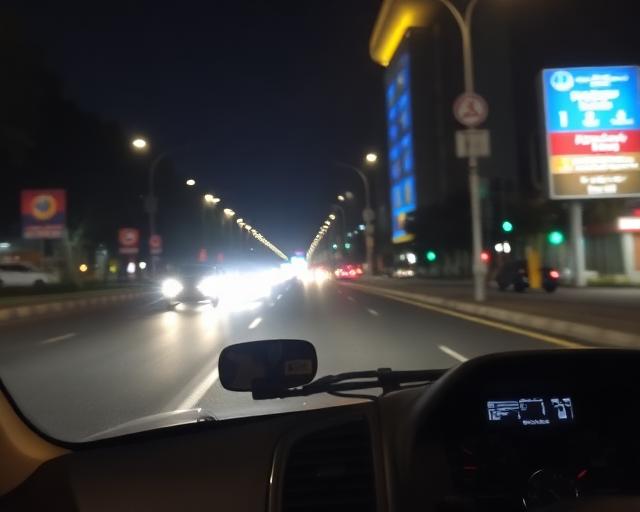
Night Driving on the Highway: What No One Tells You
Most people think highway driving at night is only about visibility. It’s just not that. The real challenge? It’s judgment. During daytime, your brain reads everything easily. Vehicle movement. Road edges. Speed differences. Distance. But at night? Much of that information disappears. You are mostly judging movement through headlights, reflections and instinct.
That is why many drivers who feel perfectly confident during the day suddenly become tense at night.
At Edwins Art of Driving, night driving safety is treated very differently. Because night highways expose gaps in judgment very quickly.
What Makes Highway Driving at Night Difficult
Most beginners assume the road becomes easier at night because traffic reduces. In reality, certain risks increase.
Fast-moving vehicles appear suddenly
Distance becomes harder to judge
Lane changes feel less predictable
Construction zones may not be visible early enough
Fatigue slows down reaction time
And on Indian highways, unpredictability is normal.
A vehicle may stop without warning. Someone may change a tyre in a live lane. A truck may drift across lanes slowly without indication.
This is why night driving requires a different level of awareness.
Why Most Drivers Feel Uncomfortable at Night?
Usually, the discomfort comes from incomplete control. If lane stability is weak during daytime, it becomes worse at night. If mirror judgement is unclear, lane changes start feeling risky. If you are reacting late during the day, highway driving at night becomes stressful very quickly.
At Edwins Art of Driving, we focus heavily on defensive awareness before introducing night highway exposure. Because confidence without judgment becomes dangerous after dark.
What Night Driving Actually Demands
Night driving tips are often very basic. Drive slow. Use headlights properly. Stay alert. Those things matter. But they are not enough.
Real night driving safety comes from:
Stable lane discipline
Proper mirror judgment
Smooth steering correction
Early anticipation of road behaviour
Understanding vehicle movement through light patterns
These are things most people are never trained to observe consciously.
Why Real Highway Exposure Matters
Many learners never experience proper highway driving during training. So the first time they drive at night on a highway, everything feels unfamiliar.
At Edwins Art of Driving, highway exposure is structured gradually.
Lane stability is built first
Then highway positioning
Then overtaking judgment
Then night driving awareness
This is why learners stop feeling overwhelmed by speed or darkness. The road starts becoming readable.
Why Proper Training Makes the Difference
At Edwins Art of Driving, highway driving tips are not taught as theory. They are trained through real exposure and defensive techniques designed for Indian roads. When your judgment becomes stable, night driving stops feeling stressful. You stop reacting late. You start anticipating early.
Connect with Edwins Art of Driving and understand how structured training helps you handle highway driving at night with clarity and control.
FAQs
What are the most important night driving tips for highways? Maintaining lane discipline, judging distance early and staying alert to unpredictable road behaviour are essential night driving tips.
Why is highway driving at night more difficult? Highway driving at night reduces visibility and makes speed, spacing and vehicle movement harder to judge.
How can beginners improve night driving safety? Night driving safety improves through structured highway exposure, defensive driving techniques and better lane stability.