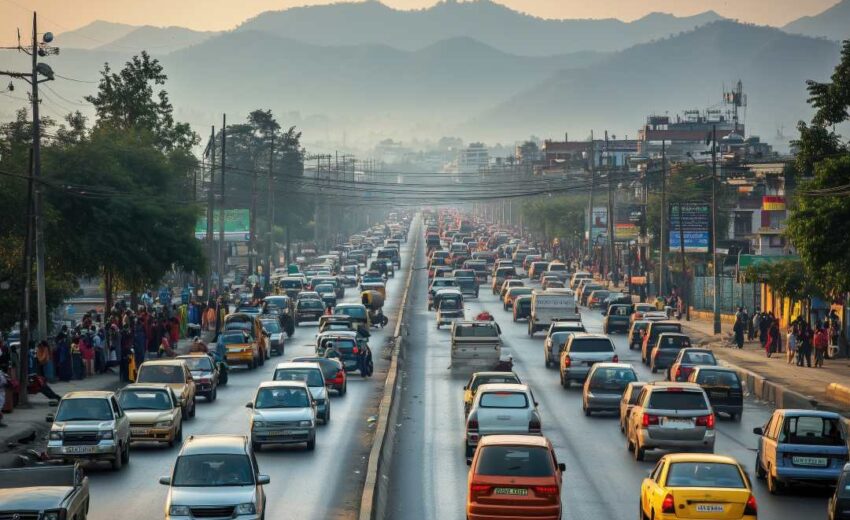
On Indian roads, lanes often feel like a suggestion. Autos drifting across. Bikes squeezing through gaps. Cars cutting in without warning. Everyone adjusting, reacting, surviving. So the question naturally comes up. If no one is following lane discipline in India, does it even matter? It does. More than most people realise. At Edwins Art of Driving, this is one of the first things we correct. Because lane discipline is not about following rules for the sake of it. It is about control and predictability.
What Is Lane Discipline?
Lane discipline driving in a city like Mumbai is simply this:
Staying within your lane
Not weaving unnecessarily
Keeping your movement predictable for others
It sounds basic. But in real traffic, this is where most drivers struggle.
What Happens When Lane Discipline Is Ignored?
When lane discipline breaks down, small issues turn into bigger ones:
Sudden braking because someone cuts across
Traffic congestion due to uneven flow
Minor touches and dents becoming common
Road rage triggered by unpredictable moves
Most accidents in city driving like Bangalore are not because of speed. They happen because someone moved without warning.
Why Lane Discipline Actually Matters?
Even in Indian traffic, where not everyone follows it, lane discipline gives you an advantage:
You get better reaction time
Your driving becomes smoother and less stressful
You reduce unnecessary braking and sharp corrections
You stay prepared for other people’s mistakes
At Edwins Art of Driving, we teach one thing very clearly. You cannot control how others drive. But you can position yourself in a way that their mistakes don’t affect you. That is defensive driving.
How to Maintain Lane Discipline in Traffic?
Lane discipline is not about holding the steering tighter. It is about awareness and positioning. To maintain your lane:
Understand where your tyres are, not just where the car “feels”
Keep consistent speed instead of constant braking
Watch lane markings and vehicle flow ahead
Avoid unnecessary lane changes
Anticipate cuts instead of reacting late
For safe lane changing in India:
Check mirrors and blind spots properly
Indicate early
Move gradually, not sharply
Ensure space before shifting
These are simple in theory. But without proper training, they are not applied consistently.
Why Professional Training Makes the Difference?
At Edwins Art of Driving, lane discipline is not taught as a rule. It is built as a habit.
Structured learning in real traffic
Real-time correction without hidden instructor control
Training across narrow roads, highways and mixed conditions
Focus on positioning, spacing and anticipation
This is why many learners realise something unexpected. When their lane control improves, everything else becomes easier. Traffic feels slower. Decisions feel clearer. Driving feels more controlled.
Connect with Edwins Art of Driving and understand how structured training changes the way you handle Indian roads.
FAQs
What is lane discipline in India?
Lane discipline in India means staying within your lane, avoiding unnecessary weaving and maintaining predictable driving behaviour.
Why is lane discipline important in Indian traffic?
Lane discipline improves reaction time, reduces sudden braking and helps prevent accidents in unpredictable traffic conditions.
How to maintain lane discipline while driving in traffic?
Maintain lane discipline by understanding tyre positioning, keeping steady speed and avoiding unnecessary lane changes.